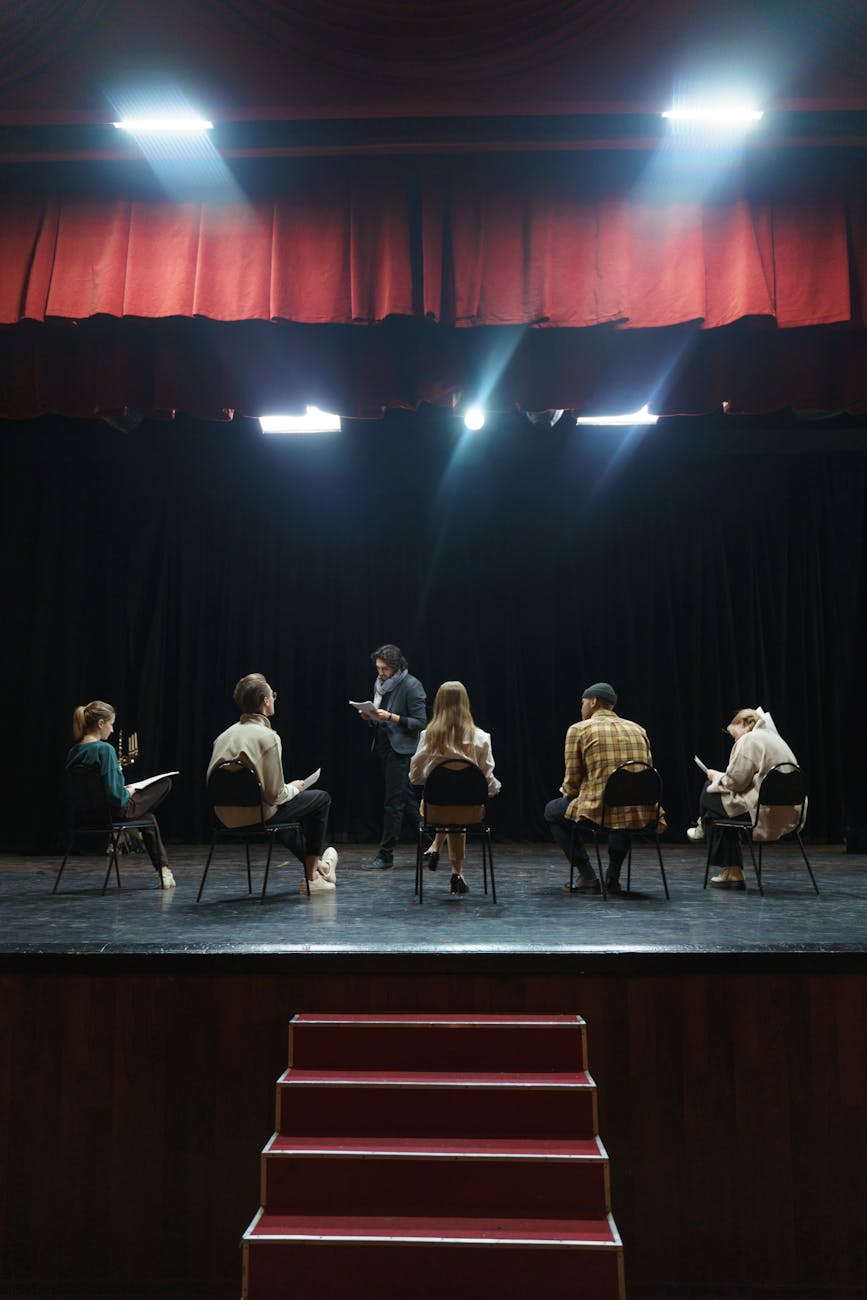
WHAT WE DO
“We seek to be a voice for social, economic, political, and environmental justice that is informed by the marginalized voices of our community. We are committed to opening the space for education, constructive communication, and affirmative action through partnership and engagement with local organizations and community members. We seek to foster an inclusive environment for all – artists, audiences, and the community as a whole – that strengthens our voices through unity.”

To achieve our mission, we will utilize our decades of theatrical experience to create artistic projects that amplify and embolden unheard voices. We will bring the local community — particularly non-theatregoers and those indifferent to social injustice — into the conversation with theatrical pieces, galvanizing them toward political, social, economic action. We will strengthen our community culturally and economically through partnerships with local organizations that share our values and that we believe we can learn and grow from while assisting them in their goals.
WHY WE DO IT
Scapegoat Initiative intends to be an unconventional, daring, and empowering source of art for our community. Our artistic and political goals are rooted in engaging viewers in social, economic, political, and environmental activism while simultaneously celebrating intersectionality and uplifting the marginalized voices that surround us. We seek to strengthen our community through partnership and engagement with local organizations that share our vision for what the world needs more of – our voices and affirmative action. We believe this can be achieved through those that work with us, those we work for, and the stories we tell while working together.
We understand that change isn’t quick, and that a single work of theatre, no matter how provocative, will not result in the permanent social progress that our community needs. We can only speak to, and about, these core issues and hope that others – if provided access to the means – will be inspired to take action after the play’s end.
Which is why to magnify the effectiveness of our work, we need to build a social contract with the community. For each show we produce, we will partner with one or more local organizations with whom we share the same values, and together, empower members of the community to act whether through the ballot box, volunteer opportunities, event organization, financial contributions or the opening of space for constructive communication — all to support the building of lasting relationships based in community. What each partnership will look like will be dependent on the resources and areas of need of each organization, and upon mutual agreement of what would benefit the community.
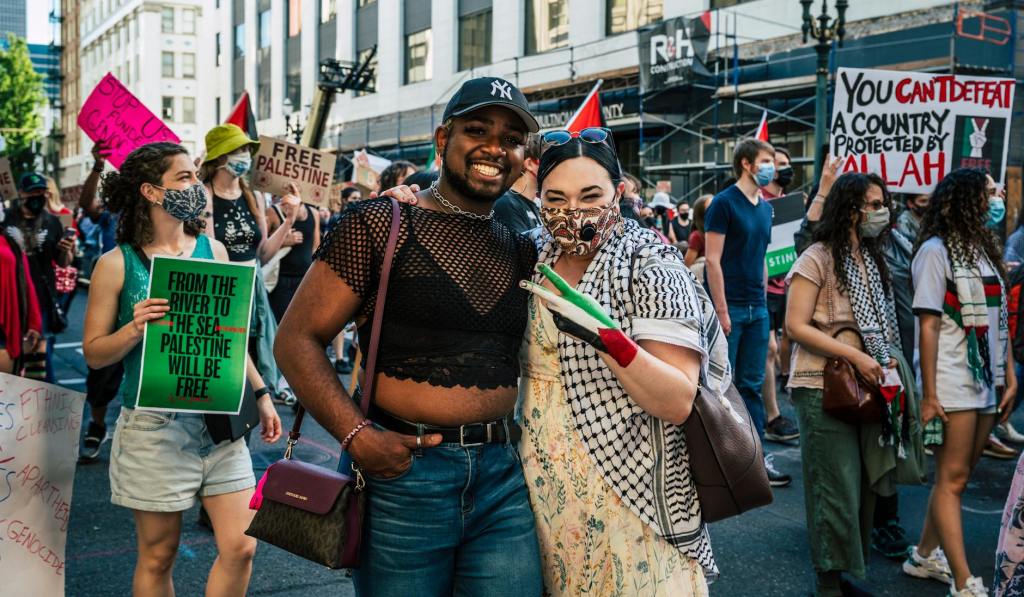
HOW WE DO IT
- Working with and paying local artists who are BIPOC, queer, living with disabilities, or are economically disadvantaged.
- Ensuring that who is telling the story and who we are telling the story for holds as much importance as the story being told. Actively seeking participation of the marginalized voices that need to be heard.
- Working with organizations and community members that share our values, and committing to elevation through education in partnership with them.
- Remain inclusive of ALL and never limit anyone’s participation in any capacity based on size/body type, age, race, ethnicity, cultural/linguistic background, religion, gender identity, sexual orientation, or economic background.
- Committing to never pre-casting a show while remaining open to expansive casting, allowing us to fully witness the immense variations in talents that exist within our community.
- Keeping theatre accessible via: a pay-what-you-can ticketing model, working with an accessibility coordinator to adapt our working practices to address various needs of our audiences and creative team members.
- Strive to protect the physical and emotional safety of everyone involved in the production.
- Ensuring all members involved in a production have access to internal resources for production concerns and external resources for non-production related matters.
- Utilizing an intimacy choreographer as needed, depending on the intimacy, or nudity requirements of a given production.
- Utilizing a fight choreographer as needed, to provide guidance for staging and performing violence on stage.